
21 04 2025 10:47
News Code : 73657120
View Count : 763
With the Presence of Dr. Abdolreza Mohseni
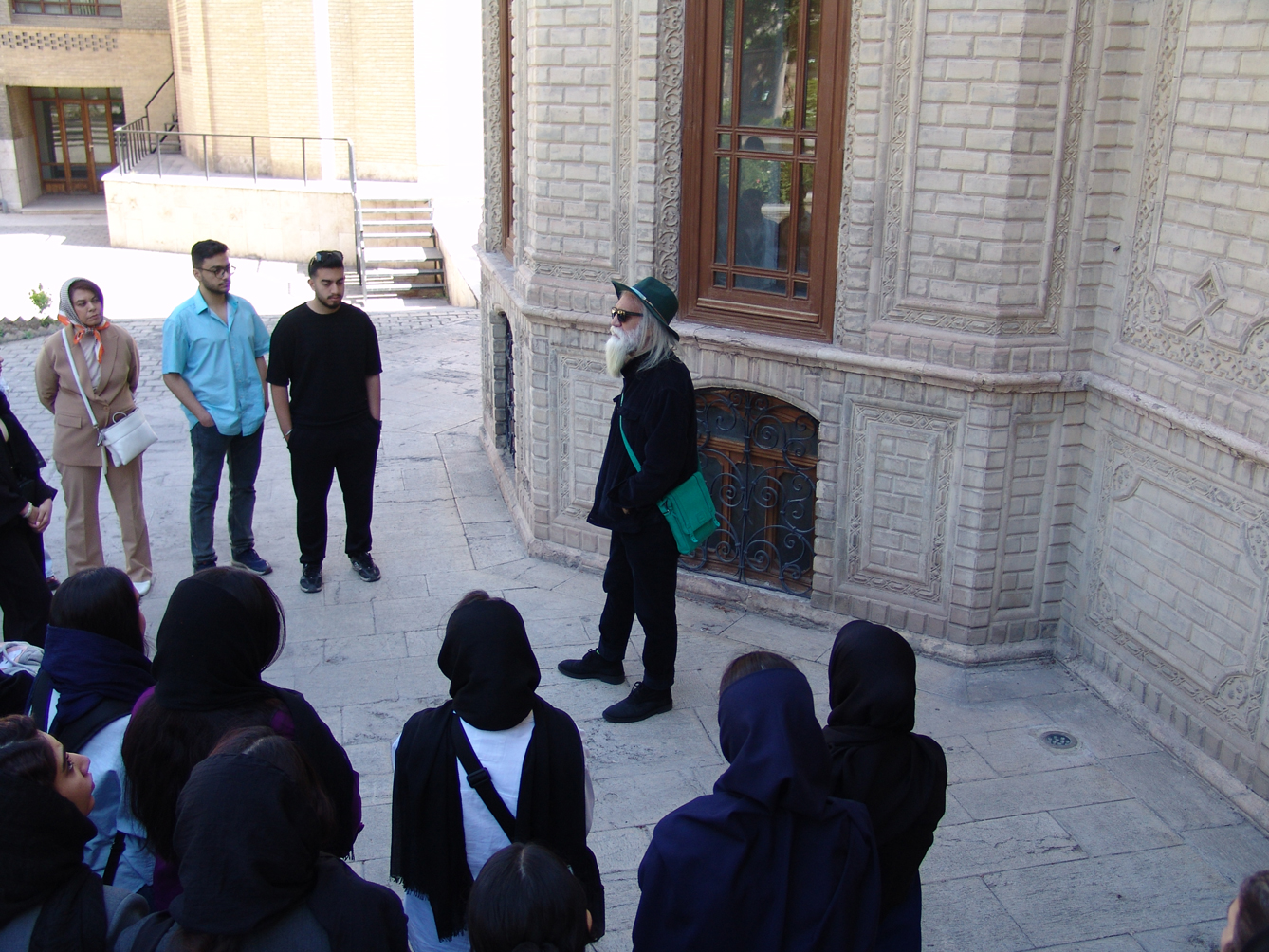
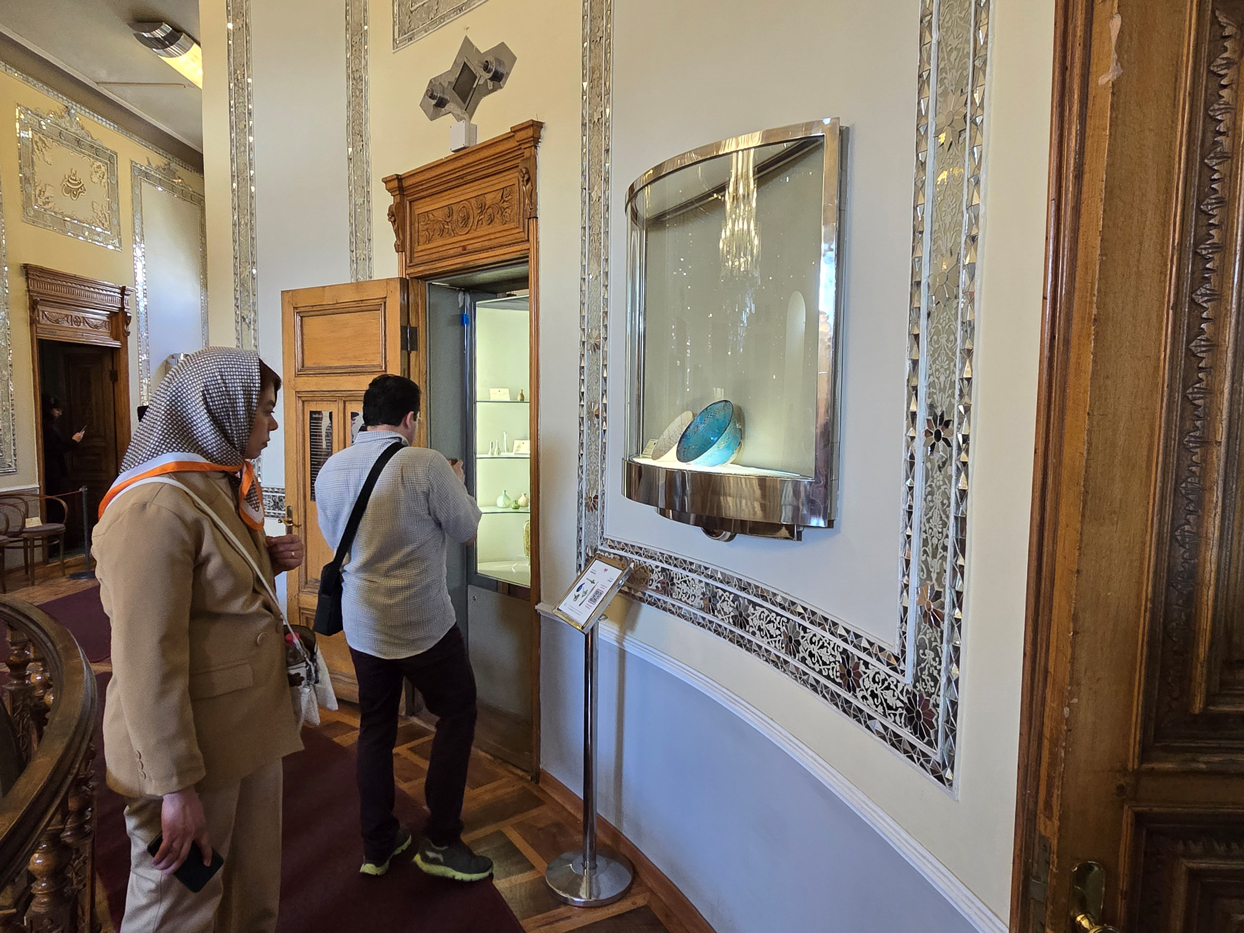
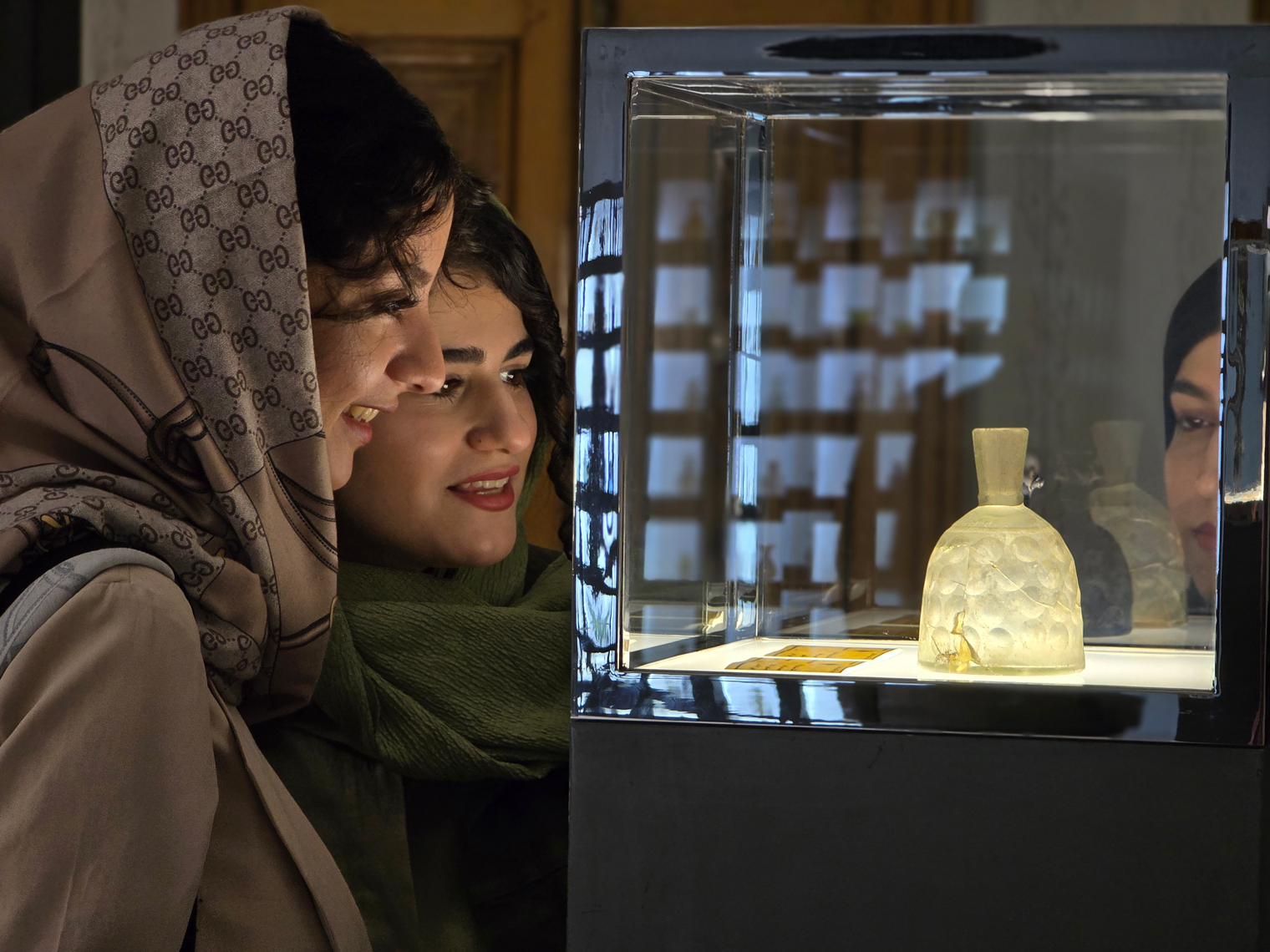
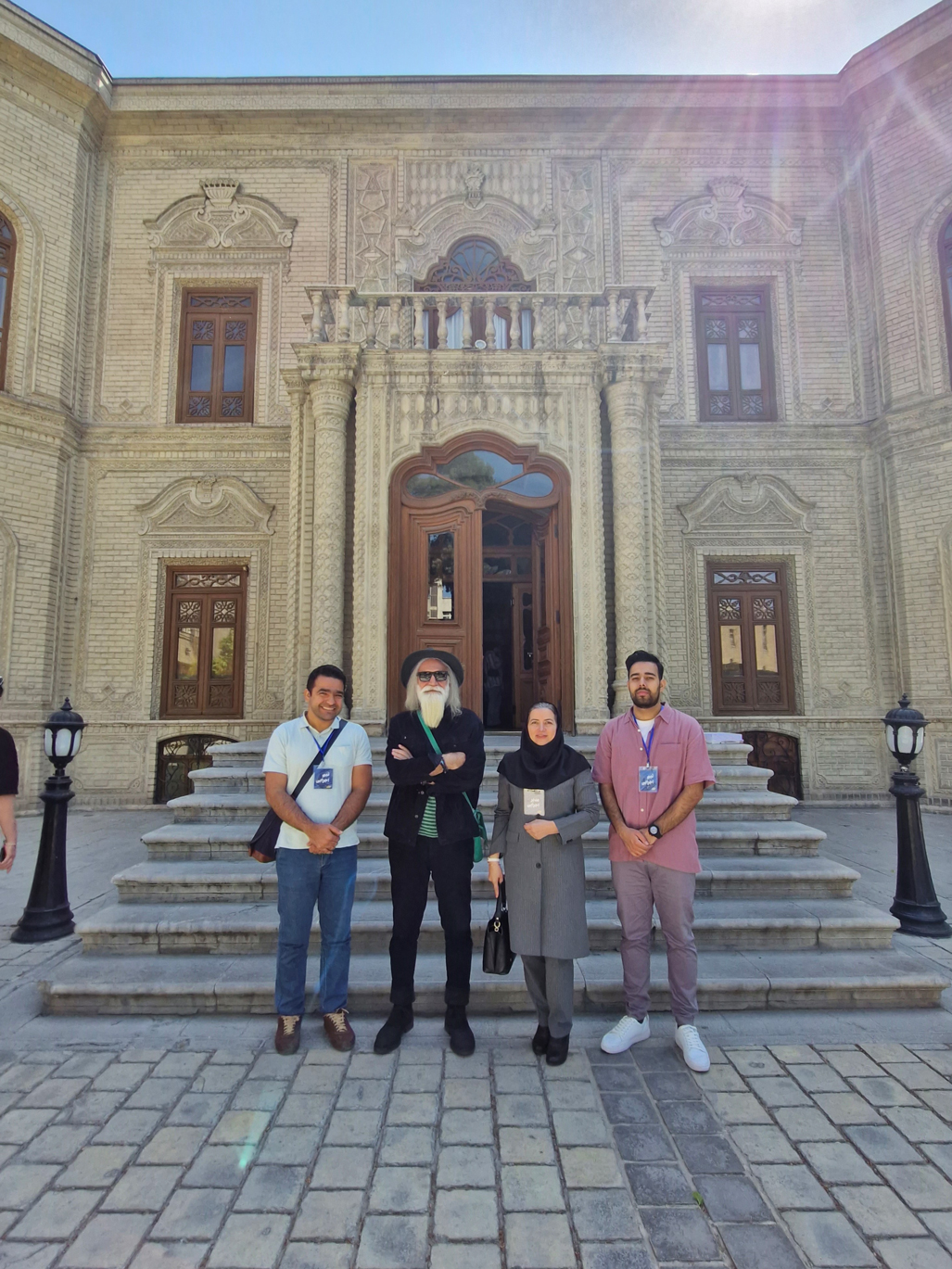
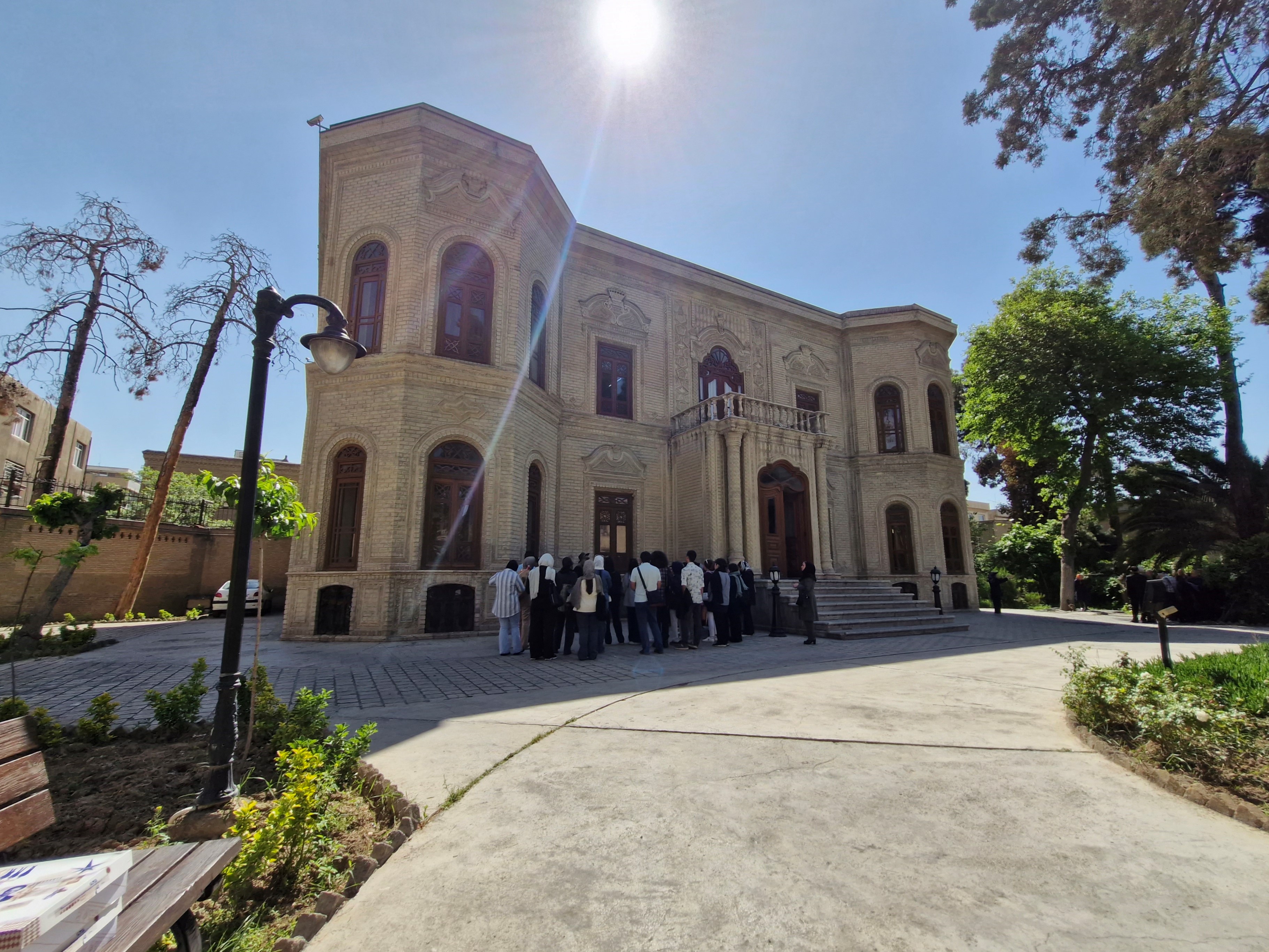
On Sunday, April 20, 2025, as part of the “Architect’s Week” events organized by the School of Architecture of the College of Fine Arts, a scientific visit to the Abgineh and Sofalineh Museum in Tehran was held with the participation of over 40 architecture students from various universities across the country. This visit was led by Dr. Abdolreza Mohseni, a prominent architect and university professor.
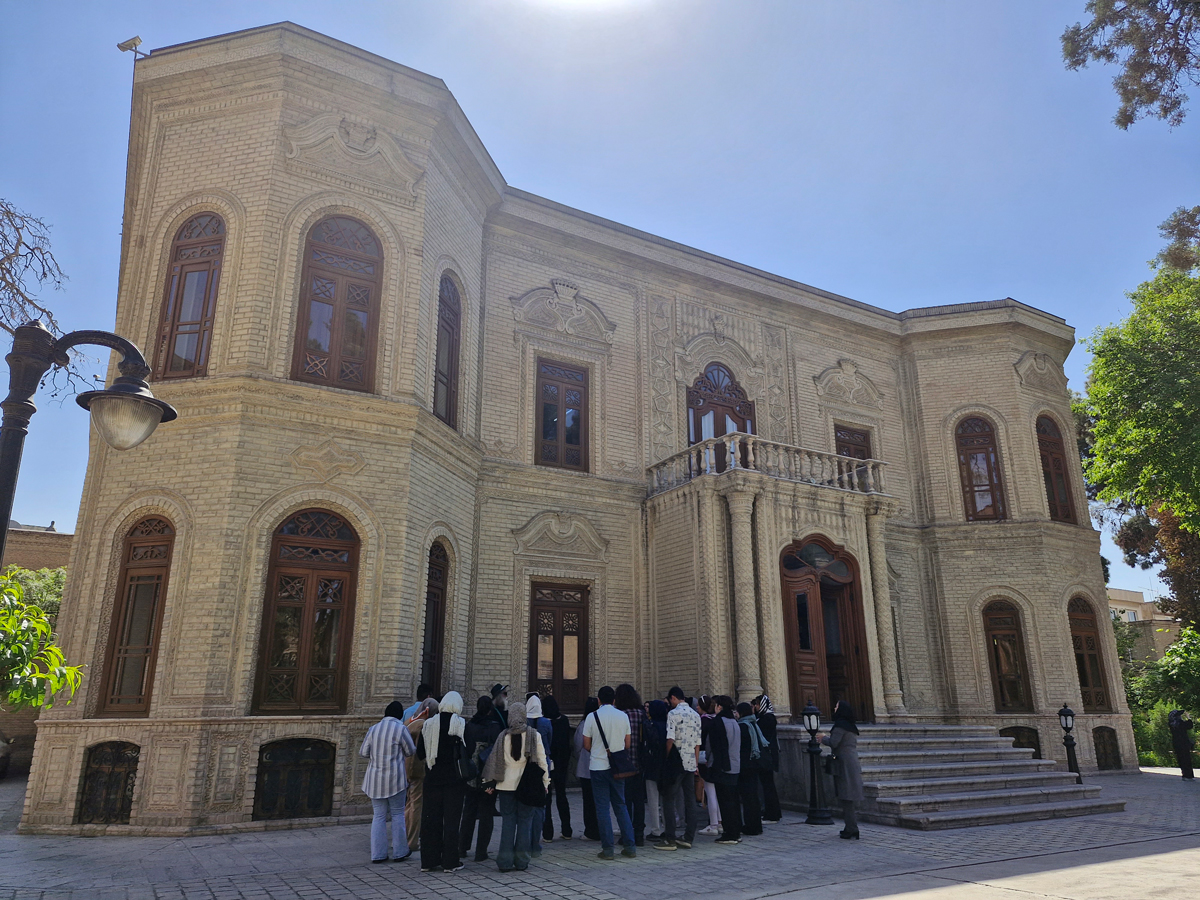
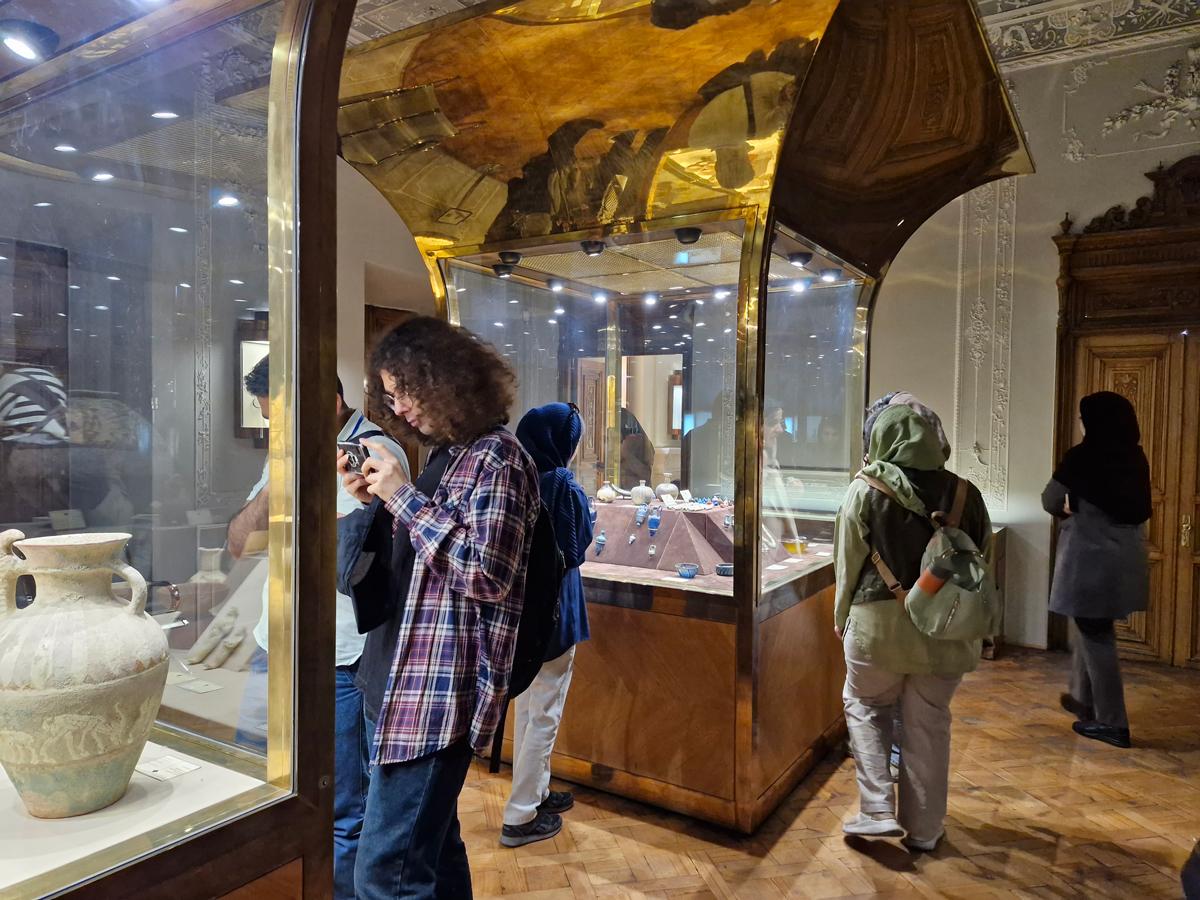
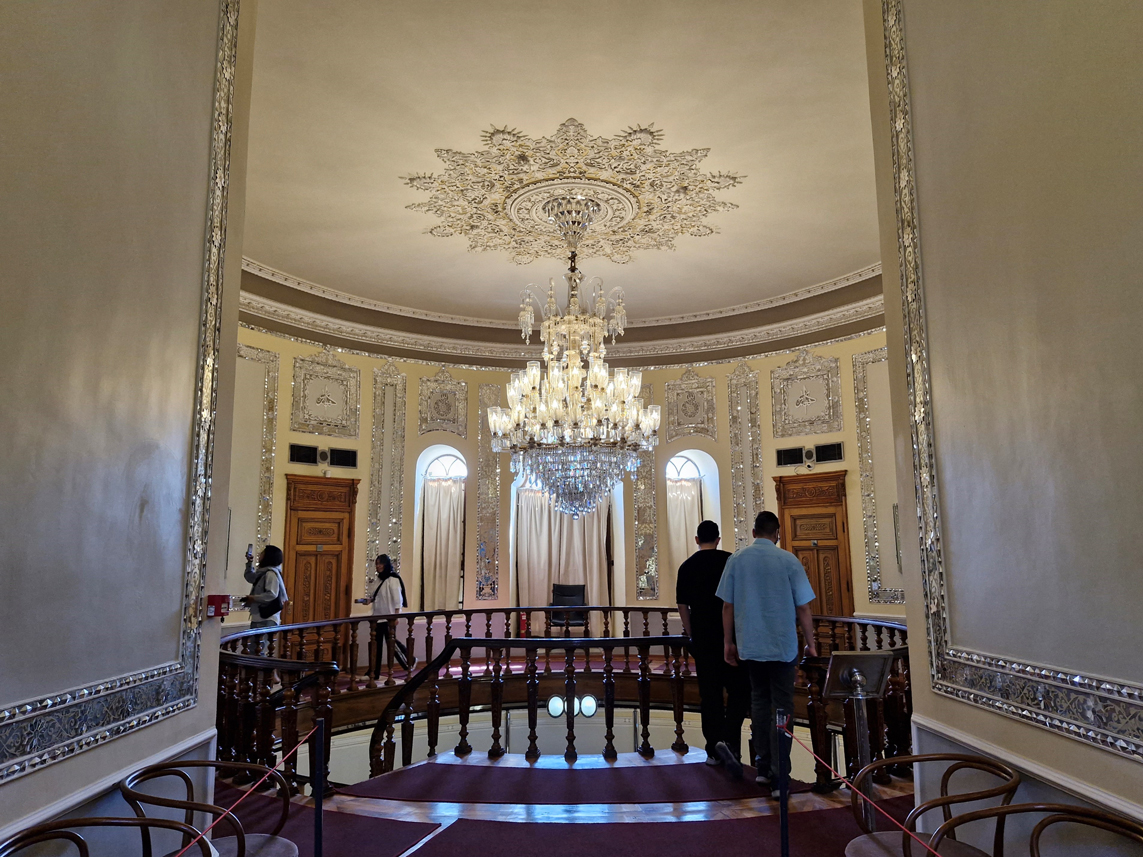
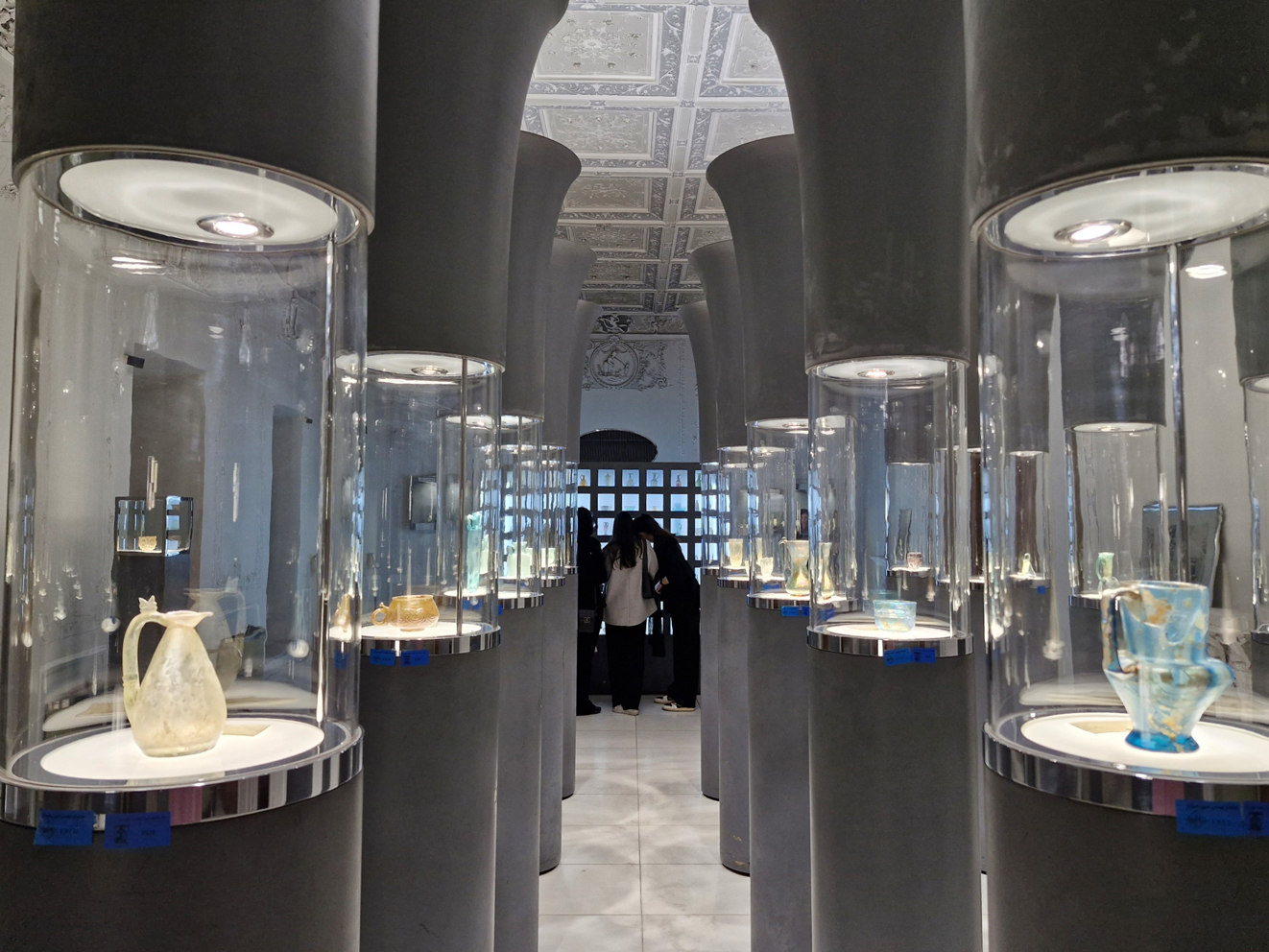
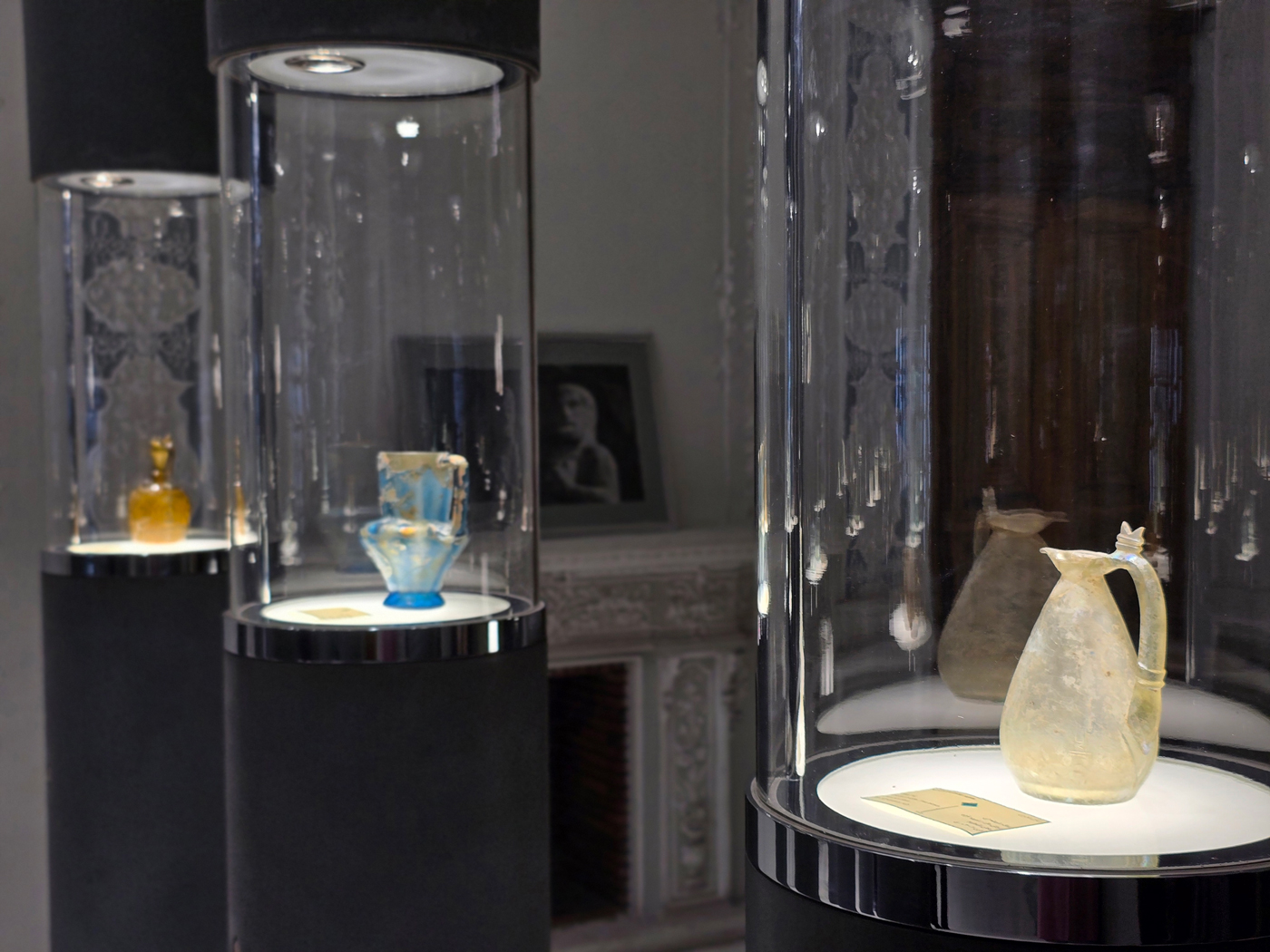
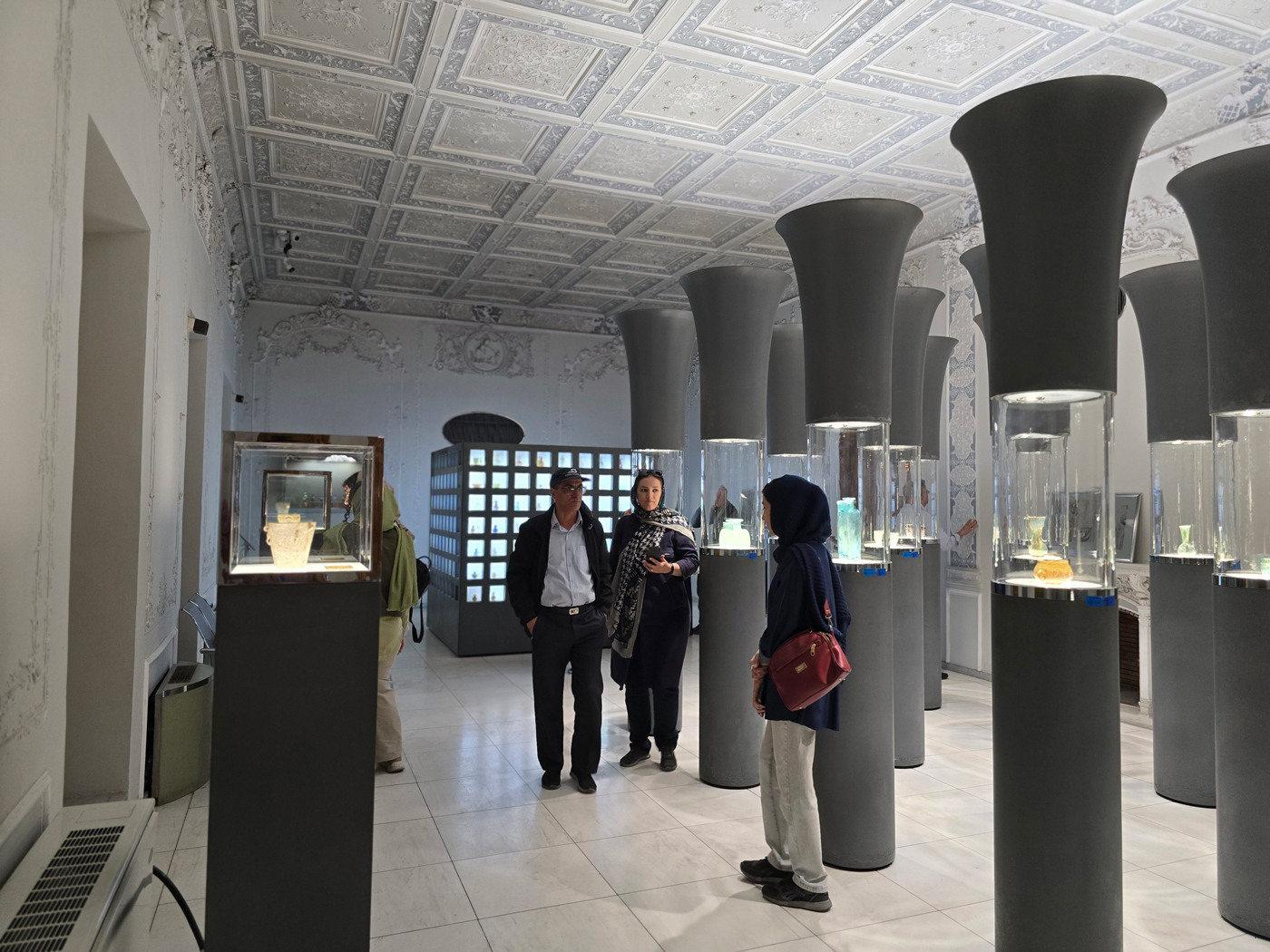
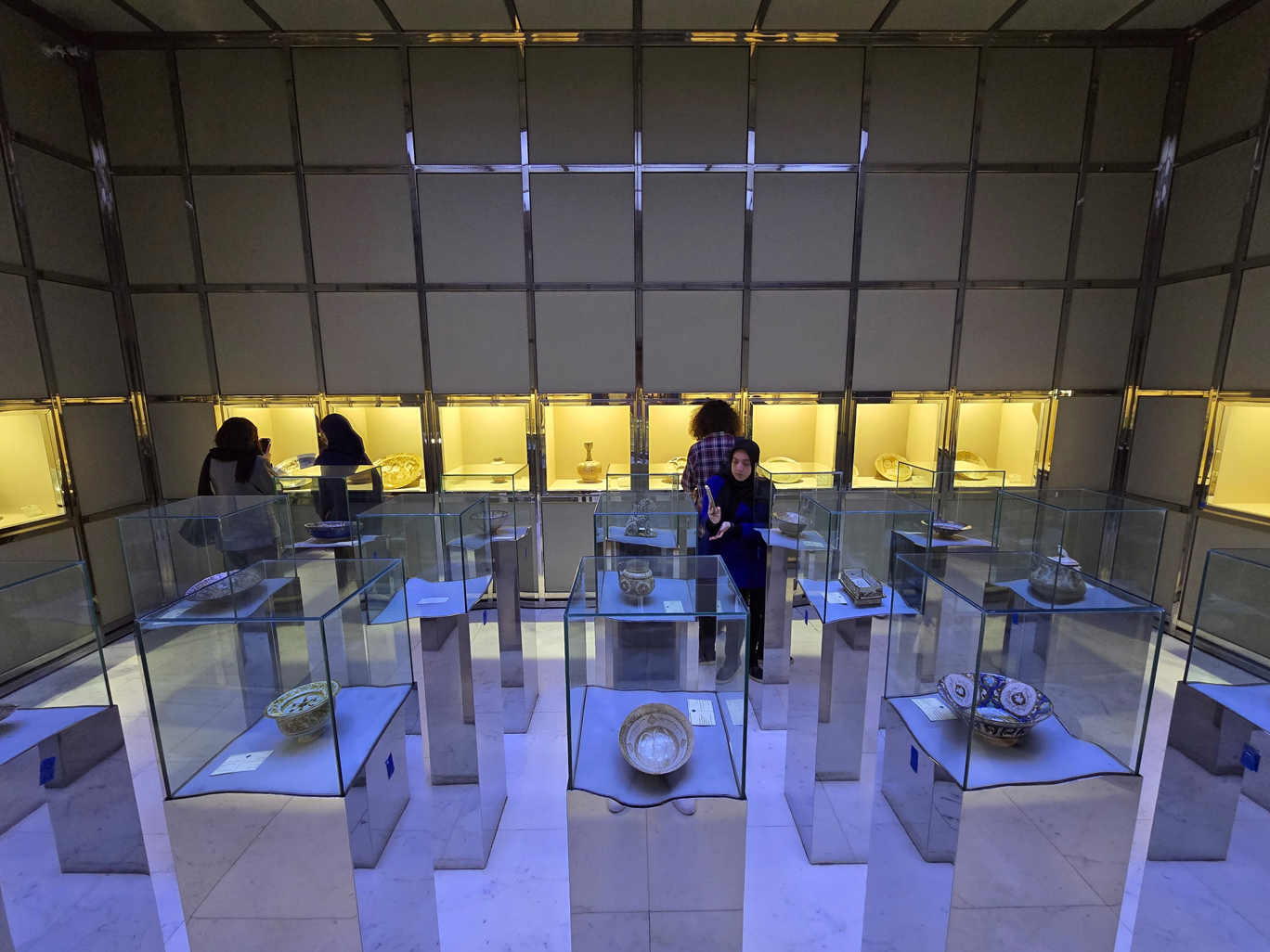
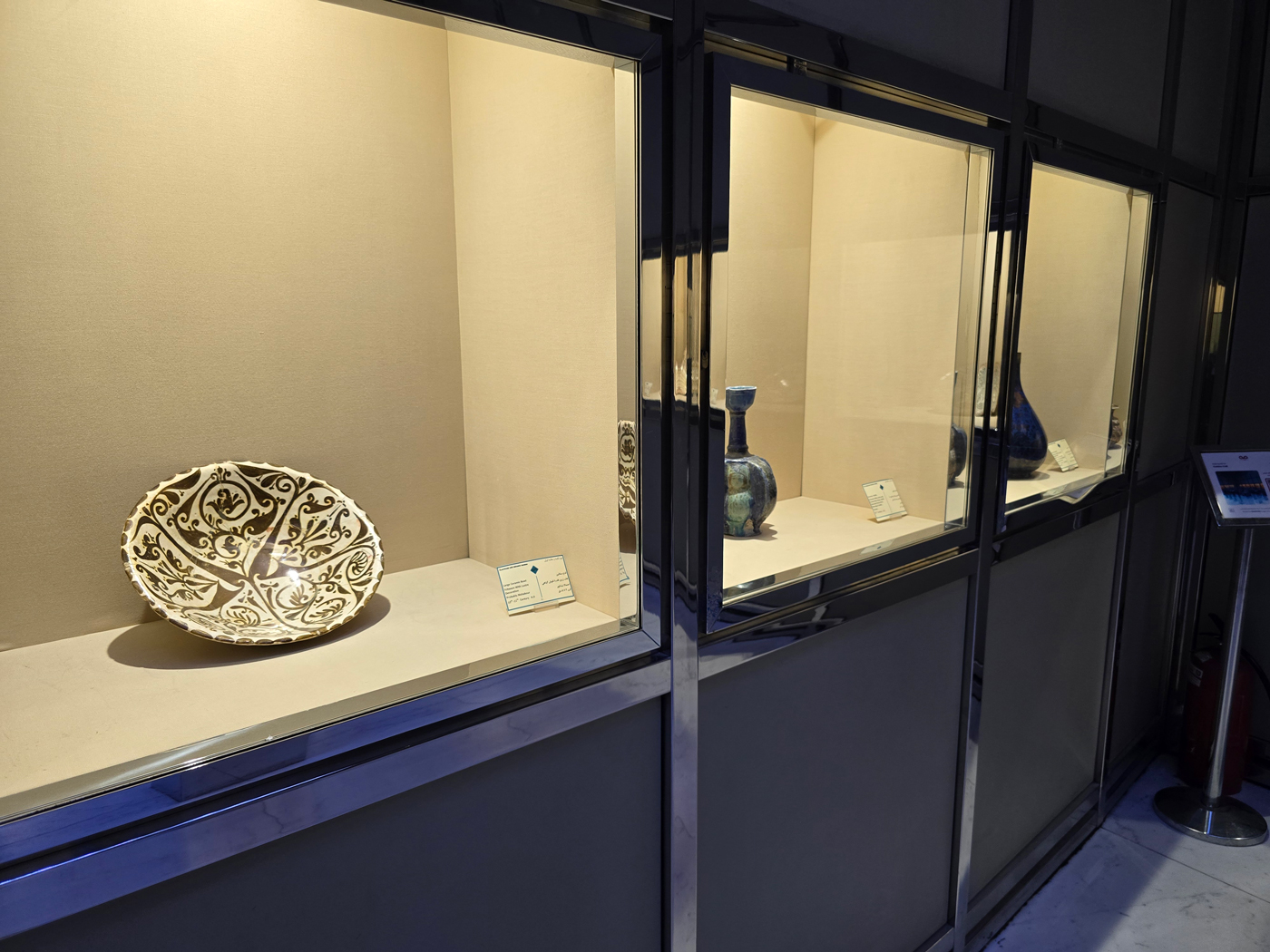
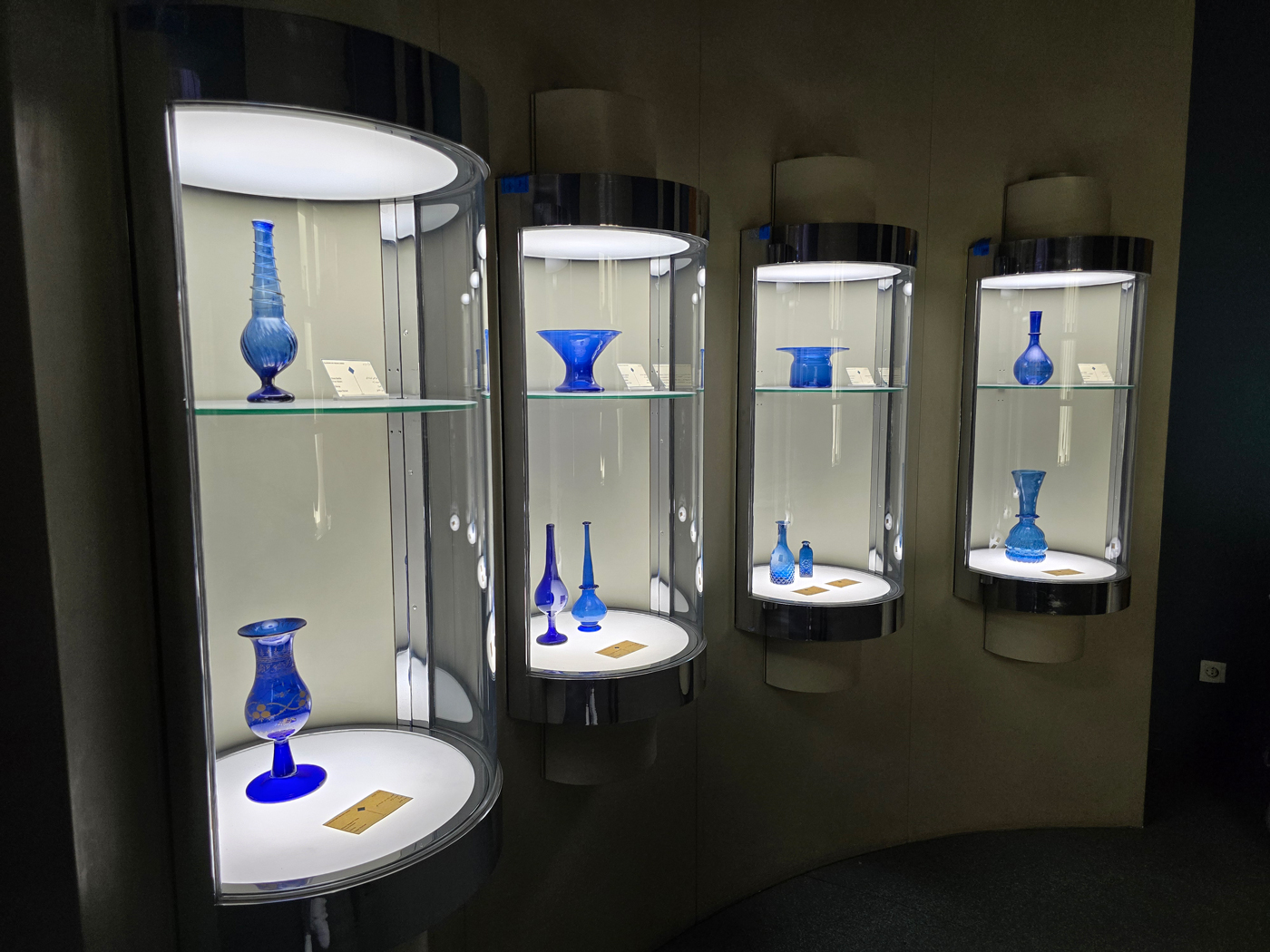
The Abgineh and Sofalineh Museum, located on 30 Tir Street in Tehran, is housed in the historic Qavam os-Saltaneh mansion. The building was originally constructed in 1912 by order of Ahmad Qavam, and after undergoing various changes, it was converted into a specialized museum for glass and ceramics in 1976. It is the first and only museum in Iran dedicated solely to glass and ceramics and is nestled within a Qajar-era garden. The museum holds over two thousand historical pieces of glass and pottery, including 899 pieces of glassware, 680 ceramic objects, 242 crystal items, and 243 other exquisite artifacts.
Dr. Abdolreza Mohseni, an architect and university professor with over three decades of experience in the design, supervision, and execution of diverse architectural projects — including airports, commercial offices, residential complexes, and shopping centers — took part in this educational visit. He has also taught at prestigious universities across the country and has served as a board member and chairperson in various architectural and interior design organizations in Iran.
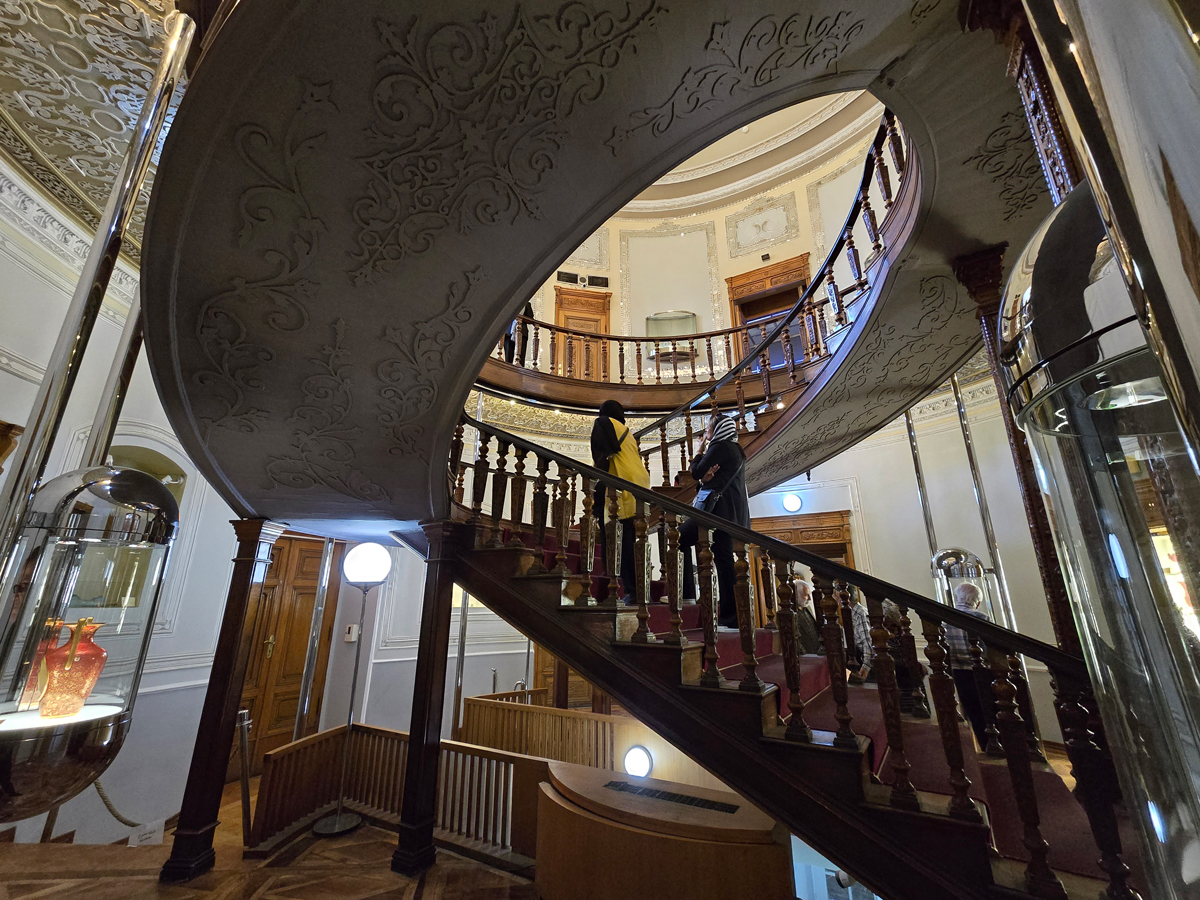
During the visit, Dr. Mohseni began by explaining the history of the Qavam os-Saltaneh building in the museum’s outer courtyard and then discussed its architectural style in the historical context of Tehran. He specifically analyzed how traditional Iranian architectural elements were blended with European influences in the façade and how this fusion contributed to the building’s visual identity. Inside the museum, Dr. Mohseni provided a detailed professional analysis of the interior architecture, demonstrating how decorative elements such as plasterwork, stained glass, mirror work, and woodwork serve both aesthetic and structural purposes. He also explained how the Qajar-era residential mansion was adapted into a museum space while preserving its architectural authenticity and cultural identity. The visit included an interactive Q&A session with the students, providing them with a valuable opportunity to engage directly with the built environment and connect theoretical classroom knowledge with real-world architectural analysis.
https://arch.ut.ac.ir/en/article/73657120

